The hum of the countertop sterilizer. The soft blue glow spilling across the kitchen tiles at night. It feels like safety. You drop your keys, your phone case, and the silicone baby pacifier into the chamber, trusting the invisible light to erase the grime of the outside world without leaving a trace.
But beneath that cool violet luminescence, a microscopic violence is taking place. Your synthetic materials are fracturing, quietly shedding their resilience with every five-minute cycle. What feels like a high-tech cleansing ritual is actually a slow-motion dismantling of the things you own.
We treat light as something harmless, a gentle wash that leaves no residue. If you poured concentrated bleach over your coffee maker, you would expect the plastic to warp, chalk, and eventually fail. Yet, we expose our most expensive household appliances to concentrated ultraviolet-C radiation, assuming the lack of a wet spill means a lack of damage.
The reality inside your home is starkly different from the stainless-steel hospital wards these tools were borrowed from. The structural integrity quietly surrenders, turning flexible polymers into brittle glass waiting to shatter in your hands during a routine morning task.
The Sunburn of the Synthetic World
Think of the plastic shell on your air purifier or your expensive blender like a tightly knit sweater. The chemical bonds hold the shape together, giving the material its bounce, gloss, and ability to handle the pressure of daily use.
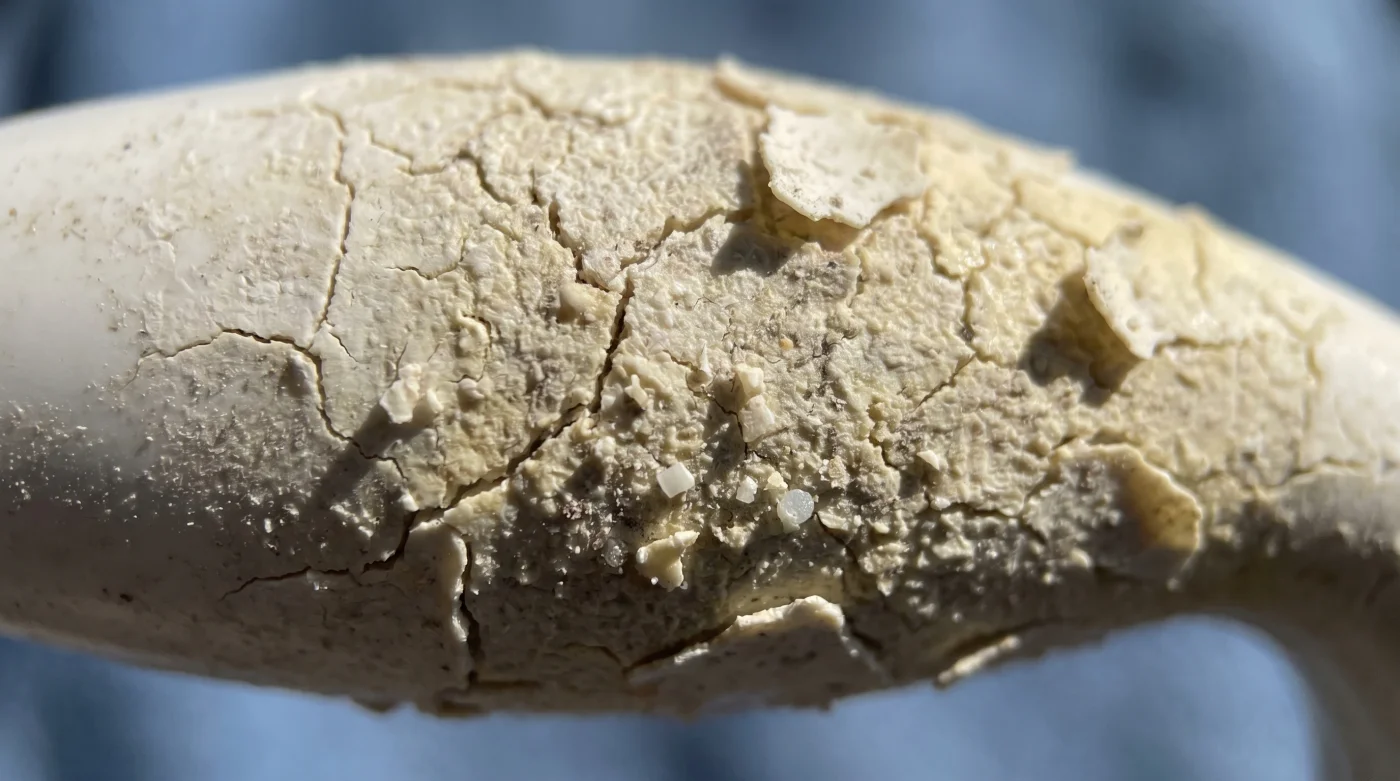
When high-frequency photons from a UV-C lamp strike those bonds, they act like tiny, erratic scissors. The molecular threads are snipped, one by one. This is photo-degradation, the exact same process that turns a forgotten lawn chair white and chalky after a brutal July in the backyard, accelerated to happen in mere weeks.
- Reverse osmosis systems strip essential dietary minerals from water
- mRNA vaccines prompt major institutions to rewrite clinical timelines
- LK-99 superconductors trigger an unprecedented surge in replication studies
- Borosilicate glass history corrects the myth of shatterproof materials
- Shark skin hydrodynamic principles make modern submarines practically silent
In our rush to sanitize our personal spaces, we ignored the mechanical toll. The shift here is realizing that sterility comes with physical friction. What you gain in a germ-free surface, you pay for with the lifespan of the object itself.
Dr. Aris Thorne, a 48-year-old materials scientist working in polymer diagnostics, started noticing this trend when perfectly good medical devices began failing prematurely in home-care settings. A patient brought in a humidifier basin that looked like it had been left in the desert for a decade. Thorne realized consumers were placing their entire water chambers under UV-C sterilizers twice a day. The light wasn’t just killing bacteria; literally baking the rigid plastic, degrading the polymer chains until the tank cracked under the weight of its own water.
Assessing the Fallout
The Kitchen Routine
Your coffee machine reservoirs, blender pitchers, and meal-prep containers are mostly made of polycarbonates and specialized food-safe plastics. They handle boiling water beautifully but abhor ultraviolet exposure.
Repeated passes with a UV wand cause the clear plastic to develop a cloudy, yellowish film that scrubbing cannot remove. This isn’t just cosmetic staining. That haze is a physical warning sign that the plastic has lost its elasticity and is preparing to leak across your countertops.
The Personal Tech Devotee
Phone cases, earbud shells, and smartwatch bands live in the sweet spot of flexible silicones and thermoplastic polyurethanes. You probably drop them in a sanitizing box the moment you walk through the front door.
These specific materials react to photo-degradation by weeping. They become inexplicably, persistently sticky, leaching their chemical plasticizers as the surface web breaks apart, ultimately turning your sleek phone case into a ragged dust magnet.
The Nursery Protector
Baby bottles, pacifiers, and breast pump parts are often sterilized between every single use. Polypropylene is the standard, reliable material utilized for these demanding applications.
While boiling these items is standard practice, adding a modern UV-C drying cycle accelerates the material wear exponentially. The threaded caps lose grip, leading to frustrating leaks during late-night feeding times because the plastic has microscopically warped.
A Mindful Approach to Sterility
Protecting your household investments does not mean abandoning cleanliness altogether. It means choosing the right tool for the exact material sitting in front of you.
You want to reserve heavy radiation for objects that truly require it, while returning to gentler, mechanical cleaning for the rest. Warm water and gentle soap remain surprisingly undefeated against most household grime, lifting away threats without attacking the chemical substrate of your belongings.
- Wipe down plastic appliance shells with a damp microfiber cloth instead of using a sanitizing wand.
- Reserve UV-C boxes exclusively for solid metals, glass screens, or items without rubberized gaskets.
- Check the manufacturer guidelines on baby products; many explicitly void the warranty if UV sterilizers are used.
- Limit UV exposure to a maximum of three minutes if you must sanitize a plastic item, rather than running a full drying cycle.
Build a tactical toolkit around your sink. Keep a dedicated, soft-bristled brush for silicone items and a reliable glass spray bottle filled with a mild water-and-vinegar solution for daily wipe-downs.
If you are dealing with a stubborn mess, remember that compounding treatments causes the most harm. Avoid combining chemical and light; wiping a plastic tray with alcohol and then placing it under a UV lamp will degrade the polymer twice as fast.
Peace of Mind Without the Penalty
Stepping back from the blue glow forces us to reevaluate our relationship with our homes. We bought into the modern promise that invisible light was the ultimate, consequence-free eraser for all our anxieties.
Realizing that everything has a cost brings a strange sort of comfort to your daily routines. It roots you in reality. You stop treating your possessions like indestructible props and start caring for them as tangible objects with clear limits.
There is a quiet satisfaction in preserving what you own. When you hand-wash your favorite appliance instead of baking it under a sterilizer, you are extending its life and opting for a mindful rhythm over a destructive shortcut.
The longevity of our daily objects depends not on how harshly we clean them, but on how well we understand what they are made of.
| Key Point | Detail | Added Value for the Reader |
|---|---|---|
| UV-C vs. Bleach | Light breaks molecular polymer chains faster than liquid oxidizers. | Saves you from prematurely replacing expensive kitchen appliances. |
| Yellowing Plastics | Cloudiness is not dirt; it is physical photo-degradation. | Helps you identify structural failure before a water reservoir bursts. |
| Silicone Breakdown | Flexible tech accessories become permanently sticky under UV exposure. | Keeps your phone cases and smartwatches looking and feeling brand new. |
Common Questions on Plastic Care
Can UV-C light completely ruin a plastic appliance? Yes, consistent exposure causes the polymers to become brittle and eventually crack under normal use.
Is it safe to put baby bottles in a UV sterilizer? Many modern polypropylene bottles degrade rapidly under UV light, leading to leaks and microplastic shedding. Always check the manual.
Why did my phone case get sticky after sanitizing it? UV rays break down the plasticizers in silicone and TPU, causing them to leach out and create a permanent sticky residue.
What should I use instead of UV light for appliances? A simple wipe-down with mild dish soap and warm water is highly effective and completely safe for synthetic surfaces.
Does sunlight do the same damage as a UV-C wand? Yes, but much slower. The sun emits UV-A and UV-B, but a concentrated UV-C wand delivers intense, degrading radiation in minutes rather than months.